This is our regular newsletter for victims and survivors, keeping you up to date with the Inquiry’s progress so far, and what is happening next.
We know from our conversations with victims and survivors that many people want to understand more about how the Inquiry works, how decisions are made and the different ways they can take part. We hope this update answers some of those questions and explains what is happening next.
Yesterday, we wrote to let you know that we would be publishing details of the individuals and organisations who have been designated as Core Participants in the National Accountability Hearings. There is more information about Core Participant status below, but we also want to make clear that you do not need to be a Core Participant for your voice to be heard by the Inquiry or to take part in our work.
Being a Core Participant does not make someone’s experience more important than anyone else’s. Every victim and survivor’s experience is different. Some people want to tell their story in a formal way, while others would rather speak privately. Some may wish to share their views as part of a group, while others may not feel ready to take part yet.
All of those choices are valid. Our role is to make sure there are different ways for you to share your experiences, if and when you choose to do so.
Announcement on the first National Hearings, and on the Inquiry’s Core Participants
This morning, the Inquiry announced further details of its National Accountability Hearings. The opening phases of the hearings will take place in London during the weeks commencing 14 December 2026 and 11 January 2027, with further hearings planned for March and April 2027.
The opening phase of the hearings will focus on the experiences and perspectives of victims and survivors. Their experiences will help shape the questions institutions and organisations will be required to answer in later phases of the hearings.
The National Accountability Hearings will build on Baroness Casey’s 2025 audit and examine why lessons identified through previous inquiries, reviews, inspections and investigations too often failed to result in meaningful change. They will require organisations and institutions to explain what action they took to protect children from sexual exploitation and abuse, what progress was made, and why recommendations did not deliver the improvements that were promised.
National Accountability Hearings and local investigations are parts of the same work, informing each other to build a clear national picture and final recommendations. What happens locally helps us test whether national systems worked in practice, and what we hear nationally will be tested against real experiences on the ground.
Today, the Inquiry has also published the list of Core Participants for the National Accountability Hearings, including a number of victims and survivors and groups supporting them.
Read the full announcement about the National Accountability Hearings.
An update on the Inquiry’s work in Wales and Birmingham
The Inquiry has recently announced new investigations in Wales and Birmingham.
These investigations will look at what happened, how organisations responded, whether children were protected, whether victims and survivors were listened to and supported, and what lessons can be learned for the future.
They will sit alongside the investigations already taking place in Oldham, Bradford and Keighley, and London.
For those affected in Wales, the Inquiry will also examine how organisations worked together, including services on both sides of the England and Wales border.
The important thing to remember is that you do not need to live in one of these areas to take part in the Inquiry. The Inquiry covers all of England and Wales, and you do not need to wait for an investigation in your area before sharing your experiences with us.
Find out more about the Wales and Birmingham investigations.
Memorandum of Understanding (MoU) between the Inquiry and Operation Beaconport
The Statutory Independent Inquiry into Grooming Gangs and Operation Beaconport have agreed a Memorandum of Understanding (MoU) setting out how the two organisations will work together while remaining independent of one another.
Operation Beaconport is the national policing operation investigating group-based child sexual exploitation and abuse. It is led by the National Crime Agency and works with other organisations including the Crown Prosecution Service and police forces across England and Wales.
The document explains what will happen if information shared with the Inquiry needs to be referred to Operation Beaconport, and how the two organisations will work together while protecting victims and survivors. It also explains how information will be shared, how privacy and confidentiality will be protected, and how victims and survivors will be supported throughout the referral process.
Understanding the different investigations
We know some people are unsure about the difference between the Inquiry’s local investigations and its national work.
Local investigations examine what happened in particular places, including how organisations responded, whether children were protected and how victims and survivors were treated.
The Inquiry’s national work looks at the wider picture across England and Wales, including how national systems and organisations responded and whether changes promised following previous reviews and inquiries were delivered in practice.
Together, these different strands of work will help the Inquiry build a fuller picture of what happened and what needs to change.
Introducing Anita
We would also like to introduce Anita Bailey, who leads the Inquiry’s Victim and Survivor Engagement Team.
Anita works closely with victims and survivors to make sure people have clear information about the Inquiry and understand the different ways they can engage with our work.
She is also keen to hear about people’s experiences of engaging with the Inquiry, including what is working well and where improvements could be made. We know trust has to be earned and we remain committed to listening to feedback from victims and survivors as our work progresses.
The National Listening Project
The Inquiry launched the National Listening Project on 13 July 2026 as part of its commitment to creating opportunities for people to share their experiences.
We want people with lived experience to be able to tell us about what happened to them in whichever way feels right for them.
You can:
- share your experiences online
- upload a written submission
- upload a voice or video recording
- request a one-to-one conversation
- share information or documents with us
- take part in events as they become available.
You do not need to be a Core Participant to do any of these things.
Sharing your experience
Share your experiences with the Inquiry online.
You can tell us as much or as little as you want.
There is no pressure to answer every question.
You only need to share what feels comfortable to you.
What you tell us will help the Inquiry better understand the experiences of victims and survivors and the issues that matter most to them.
We understand that sharing experiences can bring back difficult memories and emotions. If you need support, information about specialist support services is available on our website.
Supporting you
We know that talking about abuse and exploitation can be difficult. It can bring back painful memories, feelings and experiences.
We want you to feel informed, supported and in control if you decide to take part.
That means we will:
- give you choices about how you take part
- explain what to expect before you decide
- avoid asking you to repeat your experiences unnecessarily
- provide information in different formats where needed
- offer support around Inquiry activities
- listen to your feedback about what is working and what is not.
You can also change your mind about how you take part at any stage.
Looking ahead
We will continue to keep victims and survivors updated as the Inquiry’s work progresses.
Over the coming months there will be further opportunities to share experiences, engage with the Inquiry and follow our work. We know people come to the Inquiry at different stages and in different ways, and we remain committed to providing opportunities for those who wish to take part.
Thank you for taking the time to read this update. We look forward to keeping you informed as the Inquiry’s work progresses.
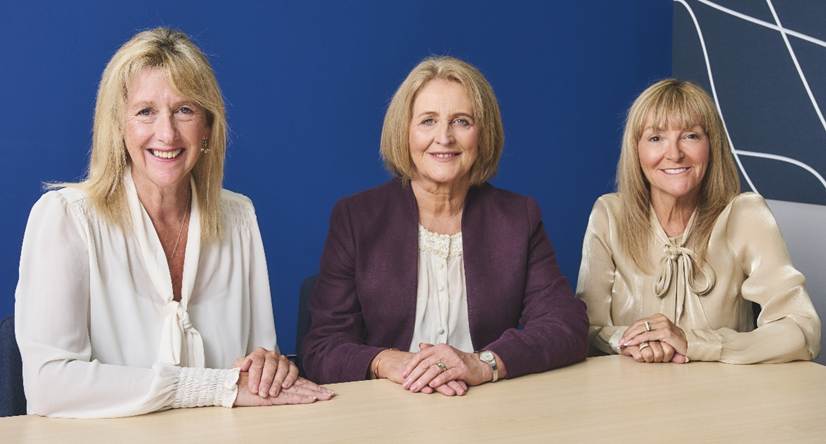
The Inquiry’s Chair and Panel
Baroness Anne Longfield CBE
Chair
Zoë Billingham CBE
Panellist
Eleanor Kelly CBE
Panellist